
The tower is easy to mistake for background. On ordinary days it stands at the edge of the square, casting a shadow, marking the hour, giving visitors a landmark to aim for. Then a festival arrives. Banners appear on the parapet. A procession pauses at the base. The square fills with chairs, stalls, musicians, and children running in the wrong direction. In that shift from landmark to stage set, you can read a short cultural history of the town—and of the tower itself. Its role in local celebrations was never only decorative. It has been a clock, a stage, a meeting point, a symbol, and sometimes a practical nuisance for anyone trying to hang bunting in a stiff breeze.
The Tower as a Calendar
For most of the year, the tower keeps time. Before wristwatches were common, bells did more than call people to church. They marked the beginning and end of the working day, warned of fire or danger, and announced births, deaths, and civic decisions. A tower with a good bell could be heard across fields and rooftops, which made it the natural centre of a festival calendar.
That habit survives in small ways. During a patron saint’s feast, a harvest celebration, or a civic anniversary, the first bell often sets the mood before anyone has formally opened the event. Ringers may follow a traditional pattern—slow tolling, then a quicker peal, then silence—and older residents can sometimes tell from the rhythm which part of the day has arrived. You do not need to know the code to enjoy it. Stand still for a minute and listen: the tower is telling the town what to do next.
Listening for the order of the day
If you are visiting during a festival, pay attention to bell times. They often signal the start of Mass, the departure of a procession, or the moment when stalls close for the afternoon. A useful habit is to ask at the tourist office or a local café whether there is a printed programme of bell-ringing. Even without one, you can use the bells as a rough guide to when the square will be busy and when it will quieten down.
Processions That Begin and End at the Tower
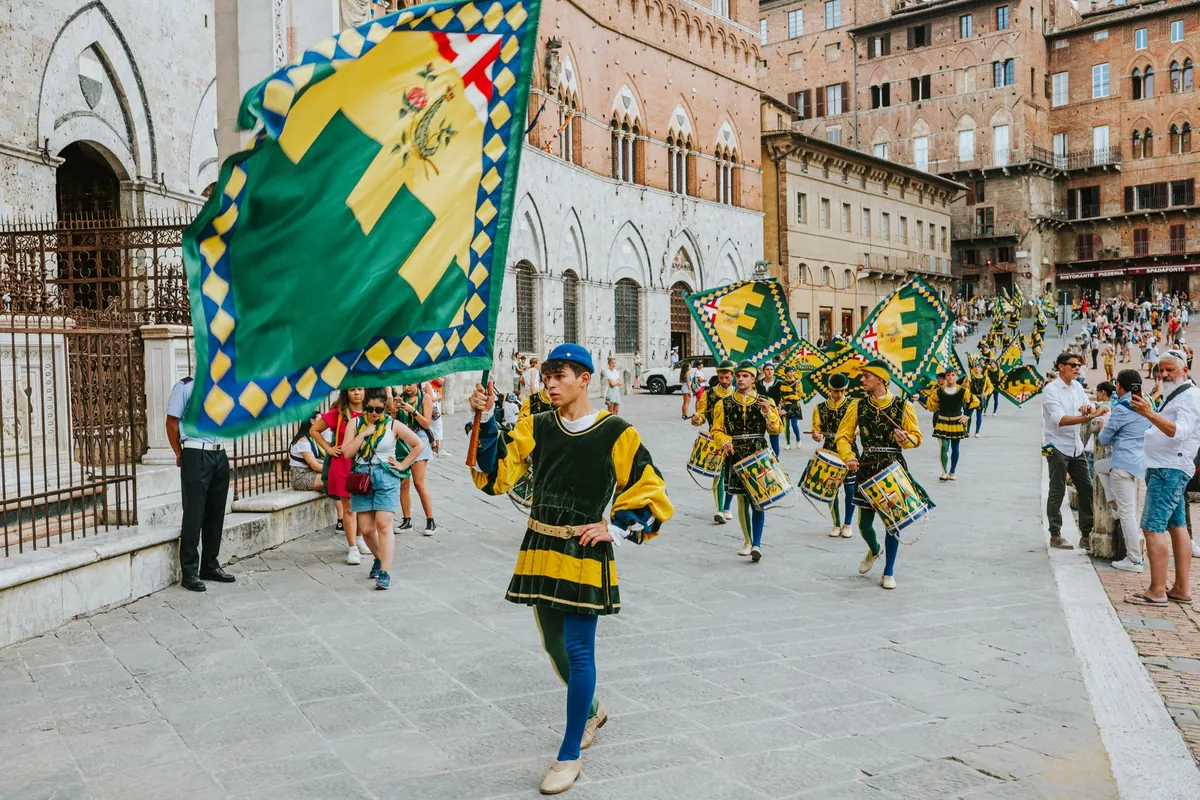
Processions need anchors. A route that wanders without a fixed start or finish can feel like a crowd looking for a reason to walk. The tower gives the walk a shape. In many towns, the procession gathers in the square beside the tower, moves through the streets, and returns to the same place for a blessing, a speech, or a final hymn. The tower is the point on the map everyone can see.
Watch how the procession behaves when it reaches the base. Carriers of banners may lift them higher. A band may change its tune. Children are pulled back from the doorway. Civic officials take their place near the entrance while the rest of the crowd spreads across the square. These small choreographies are rarely written down, but they are learned afresh each year. If you want to photograph the procession, stand slightly to one side rather than in the middle of the route. You will see more, and you will annoy fewer people.
Banners, Flags, and the Language of the Tower
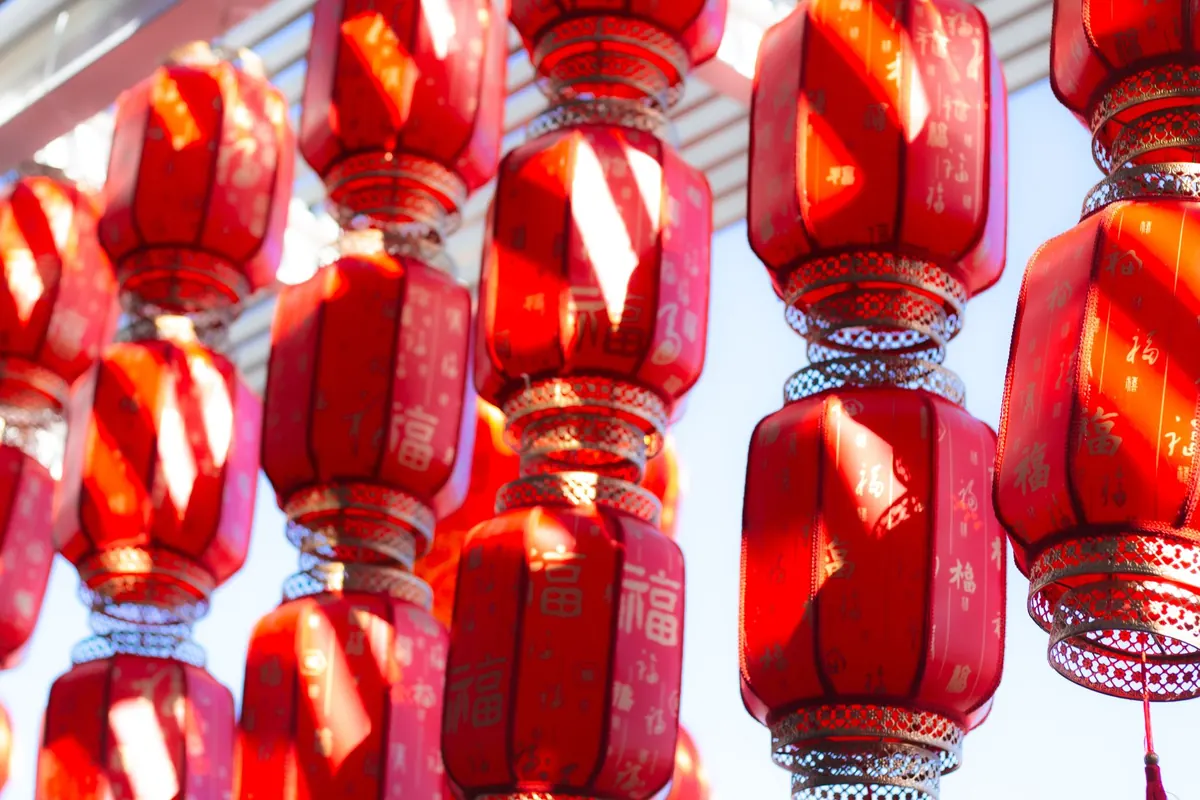
A tower dressed for a festival is a different building. Fabric hangs from windows and parapets. Flags project from brackets. Lights trace the outline of the roof. In older towns, the colours often refer to the town itself, to a guild, to a religious confraternity, or to a neighbourhood taking part in a friendly rivalry. The tower becomes a noticeboard in cloth.
Look up rather than straight ahead. The places where banners are tied—iron hooks, stone brackets, wooden poles—are often older than the festival you are watching. They tell you where the tower was designed to be decorated, and where generations of volunteers have learned to climb carefully with rope and ladder. If you are helping to decorate, use the existing fittings where possible and avoid tying anything to weak railings or old stonework. A festival banner should not become a repair bill.
Market Days and Seasonal Festivals
Markets are the quiet workhorses of tower celebrations. The square at the base is flat, central, and easy to find, which makes it a natural place for stalls. A spring fair may bring plants and cheese. A summer festival may add music and long tables. An autumn market may fill the square with pumpkins, chestnuts, and wool. In winter, the tower may watch over a small Christmas market, its bulk making the cold feel more companionable.
Seasonal patterns vary from town to town, but the tower usually plays the same supporting role: it gives the market a backdrop and gives shoppers a meeting point.
- Spring: plant sales, open-air concerts, and the first outdoor gatherings of the year.
- Summer: evening markets, food stalls, and processions that make use of long daylight.
- Autumn: harvest produce, craft fairs, and commemorations tied to local history.
- Winter: lights, warm drinks, and smaller celebrations that depend on the tower’s silhouette.
If you run a stall, arrive early enough to test the ground. Cobbles and slopes can be unforgiving for a folding table. If you are visiting, carry small change and a bag that leaves your hands free; festival squares are not the place for a delicate paper shopping bag in a crowd.
Music, Fire, and Night Celebrations
Darkness changes the tower’s job. By day it is a landmark; by night it can become a screen, a stage wing, or a silhouette for fireworks. Concerts are often held at its base because the stone reflects sound and the square creates a natural auditorium. Torchlight processions use the tower as a final destination, the flames moving through narrow streets before gathering in the open space below.
These events need patience. Arrive before the music starts if you want to sit, and choose a spot away from speakers if you are with small children or anyone sensitive to noise. Fireworks and open flames demand more care than a daytime market. Keep back from barriers, follow stewards’ instructions, and resist the urge to stand on walls or planters for a better view. The best festival memories rarely involve a visit to a first-aid tent.
The Tower in Modern Community Life
Modern festivals have not replaced older traditions so much as layered onto them. A tower that once rang for harvest might now host a school choir, a heritage open day, or a wedding photograph session. Conservation groups may open the tower for guided climbs during a festival weekend. Local societies may set up displays in the square explaining what the building looked like a century ago.
This layering can be awkward. Crowds wear stone. Banners need anchors. Music needs power. A tower that is also a place of worship needs quiet at certain times. The most successful festivals are usually the ones that treat the tower as a neighbour rather than a prop: they ask before attaching anything, they keep emergency exits clear, and they leave the square as they found it. That is less glamorous than fireworks, but it is how a building survives long enough to be celebrated again next year.
Practical Notes for Festival-Goers
A little preparation makes tower festivals more enjoyable, especially if you are visiting for the first time.
- Check the local programme. Times may change for weather, religious services, or processions. A printed leaflet or a notice in the square is often more reliable than memory.
- Arrive early for processions. The route fills quickly, and the best views are usually at corners or slightly raised steps rather than in the middle of the street.
- Stand clear of doorways and stairs. Processions, emergency services, and residents all need to move through the square.
- Wear shoes for cobbles. Festival footwear should cope with uneven stone, spilled drinks, and long periods of standing.
- Ask before photographing people. A crowded square is not a private studio. A nod and a raised camera are usually enough.
- Treat the tower with care. Do not climb on walls, lean on old railings, or attach anything to stonework. If you want to climb the tower, check separate opening times; festival crowds may close access.
The tower’s role in local festivals is not fixed. It changes with the bells, the banners, the season, and the people who gather below. But the pattern is recognisable: a community needs a place to meet, a symbol to gather around, and a reason to look up. The tower provides all three, and then waits patiently for the next celebration.